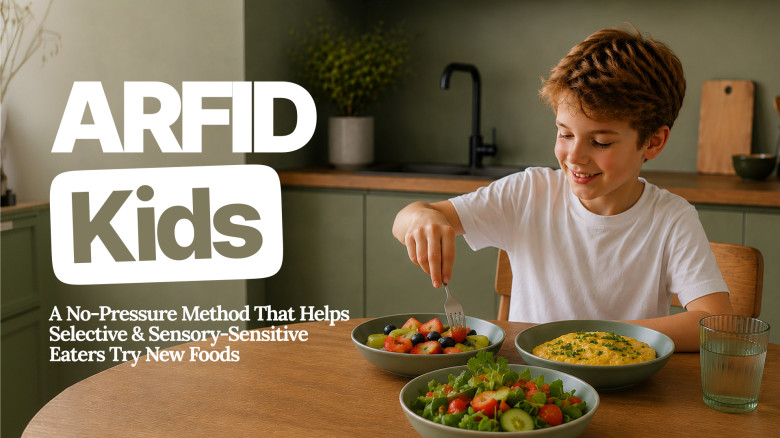
ARFID Kids: A No-Pressure Method That Helps Selective & Sensory-Sensitive Eaters Try New Foods
Does your child eat the same 10–15 "safe" foods, gag at new textures, or fall apart when a favorite snack suddenly tastes wrong? This isn't picky eating you can wait out — and "he'll grow out of it" isn't a plan. Just a hands-on, sensory-first approach can help your child explore new food at their own pace, without pressure or a fight at the table. Start rebuilding trust with food today!
We guarantee to refund the course purchase price, if the course did not meet your expectations. To request a refund, please email our Support Service at [email protected] within 14 calendar days from the purchase date.
Comments about the course
-

Our 6 year old has never been a huge eater... she absolutely loved making snacks with the other kids... and she started to eat so much! We even brought all these snack ideas back home and continue at home.
-
I loved Azizi's ideas to inspire creativity in the kids and spark enthusiasm for cooking. The boys liked learning how to safely use a knife.
-

My daughters loved exploring food with Azizi... my eight year old left thinking through all the elements she incorporates.😍
-

My picky 7 year old is now thinking about what she puts into her body and she actually wants to try new fruits and vegetables.
-

I love it! It's like we are playing a team sport... this is a really special bonding experience for us.
-

My son's safe list was five foods for two years. After the salad template, he added carrots — raw, then roasted. It's the first new food in months.😊
-

The smell test cracked something open for us. She finally touched a new food without gagging.
-

We stopped fighting about dinner. 🙏Even 10 minutes of 'building' instead of eating calms everything down.
-

Finally something that doesn't feel like therapy homework.
Course includes
Is This ARFID, or Just Picky Eating?
If mealtimes have looked like this for months or years, it's worth naming what's actually happening. When a child's nervous system hasn't yet learned that a food is safe, small problems slowly turn into daily battles:
- The same 10–15 foods or fewer, with real distress when they're not available or made differently.
- Gagging or retching at new textures, not just refusing them.
- Avoiding the table entirely when unfamiliar food is around.
- A "safe" food turning unsafe overnight if the brand or batch changes.
- Nutrient gaps a pediatrician has flagged, even without weight concerns.
- Missed birthdays and school lunches because of the food involved.
With ARFID Kids, you'll learn how to:
- Give your child a way to explore new food without a fight over tasting it.
- Turn "safe foods" into a flexible system instead of a fragile, narrow list.
- Reduce mealtime anxiety for both of you.
- Build real kitchen skills your child can be proud of.
This course gives you the tools to lower the pressure at mealtimes, widen your child's safe list, and enjoy your day without every dinner turning into a negotiation.
Ready to feel calmer, lighter, and less alone at the table?
Enroll now and start your journey with ARFID Kids!
How Are We Going to Do This?
Azizi Tuere built this method in her own kitchen, with her own children, long before she taught it to anyone else. She'll guide your family step by step to:
Step 1: Investigate
Before any food shows up on a plate, your child explores it through a short food-science challenge — comparing dry and soaked almonds, smelling citrus with their nose pinched, watching color travel through celery. Curiosity comes first, pressure doesn't.
Step 2: Build
Using one of five visual meal templates — salad, oats, smoothie bowl, grain or pasta bowl, bean meal — your child watches a full cooking demonstration, then builds their own version from what's actually in your kitchen.
Step 3: Taste and Adjust
Tasting isn't a pass-or-fail test. Kids are guided to notice texture, temperature, and flavor, and to adjust rather than reject.
Step 4: Contribute
Every session ends with your child handing something real to the family table — an actual contribution to dinner, not a craft project.
Why choose this course?
If you've tried reward charts, "just one bite" rules, or another collection of recipes your child refused, this course goes deeper — because most approaches ask a child to override their senses instead of working with them.
- No Pressure to Taste on Command: Every lesson starts with sensory exploration, not a fork in the face.
- No Special Equipment Needed: Practice at home with a knife, a blender, and whatever's already in your fridge.
- Modular by Design: Knife skills and individual cooking lessons are separate, so a cautious 5-year-old and a confident 11-year-old can both use the course at their own pace.
- Created by a Mom Who Lived This: Azizi built this method with her own daughters, not in a studio for a camera.
- A Skill That Outlasts the Course: Once your child understands the templates, they can build a meal from whatever's on hand — no recipe required.
Give your child a calmer path back to the table.
Sign up now and take the pressure off mealtime!
Academic plan
17 video lessons
- Lesson 1. Welcome: Why “No-Pressure” Changes Everything for Selective Eaters
- Lesson 2. Creating a Safe, Low-Anxiety Kitchen Space
- Lesson 3. Building Confidence and Control Before New Foods Ever Appear
- Lesson 4. Sensory Exploration: Watching Color Move — No Tasting Required
- Lesson 5. Build a Salad Your Way — No Recipe, No Pressure
- Lesson 6. Sensory Exploration: Hearing and Feeling Texture Change
- Lesson 7. Build a “Safe” Bowl That’s Actually Flexible
- Lesson 8. A New Skill Instead of a New Food to Fear
- Lesson 9. Sensory Exploration: Same Fruit, Different Feel
- Lesson 10. A Bowl Built From What Already Feels Safe
- Lesson 11. Sensory Exploration: Using Smell Before Taste Ever Comes Up
- Lesson 12. One Template, Endless “Safe” Combinations
- Lesson 13. Optional Skill: Rice, at Your Child’s Own Pace
- Lesson 14. Optional Skill: Meeting a New Texture Through Doing, Not Tasting
- Lesson 15. Optional Skill: Crunch on Their Own Terms
- Lesson 16. Sensory Exploration: Naming Taste Without the Pressure to Like It
- Lesson 17. Build a Meal Around What’s Already Safe

After payment, you can immediately start practicing
- Click the "Get Access" button, enter your email in the field and you will be taken to a secure payment page.
- Complete the order process and you will instantly receive a password to access your personal NEWMINDSTART account.
- Take lessons, perform practical tasks, ask the author questions and discover new courses.
FAQ